AI for reviewing expert reports: how the ANSE project works
The Alliance of Independent Forensic Expertise case: uploading a report, reviewing it against a knowledge base and gathering expert feedback. Capabilities and limits.
In this article
Reviewing a junior specialist's report requires an experienced expert's attention. Conclusions need to be checked against the materials, inaccuracies found and comments explained. For the Alliance of Independent Forensic Expertise, ANSE, Sailet developed a tool that prepares a preliminary review and helps organise this work.
This account is based on Sailet's project description published on 4 September 2025. It records the task and implemented workflow, but provides neither a quantitative estimate of time savings nor an independent accuracy evaluation.
How the original request changed
The initial discussion concerned training experts in road-related situations through learning scenarios, visualisation and exercises. The client then expanded the task to working with expert reports in different disciplines. Religious studies was selected for the first stage.
This clarification matters when assessing the project. A training simulator and a review assistant solve different tasks, use different materials and require different acceptance criteria. Before development, define the user's specific action and the boundary of the system's responsibility.
What the user does
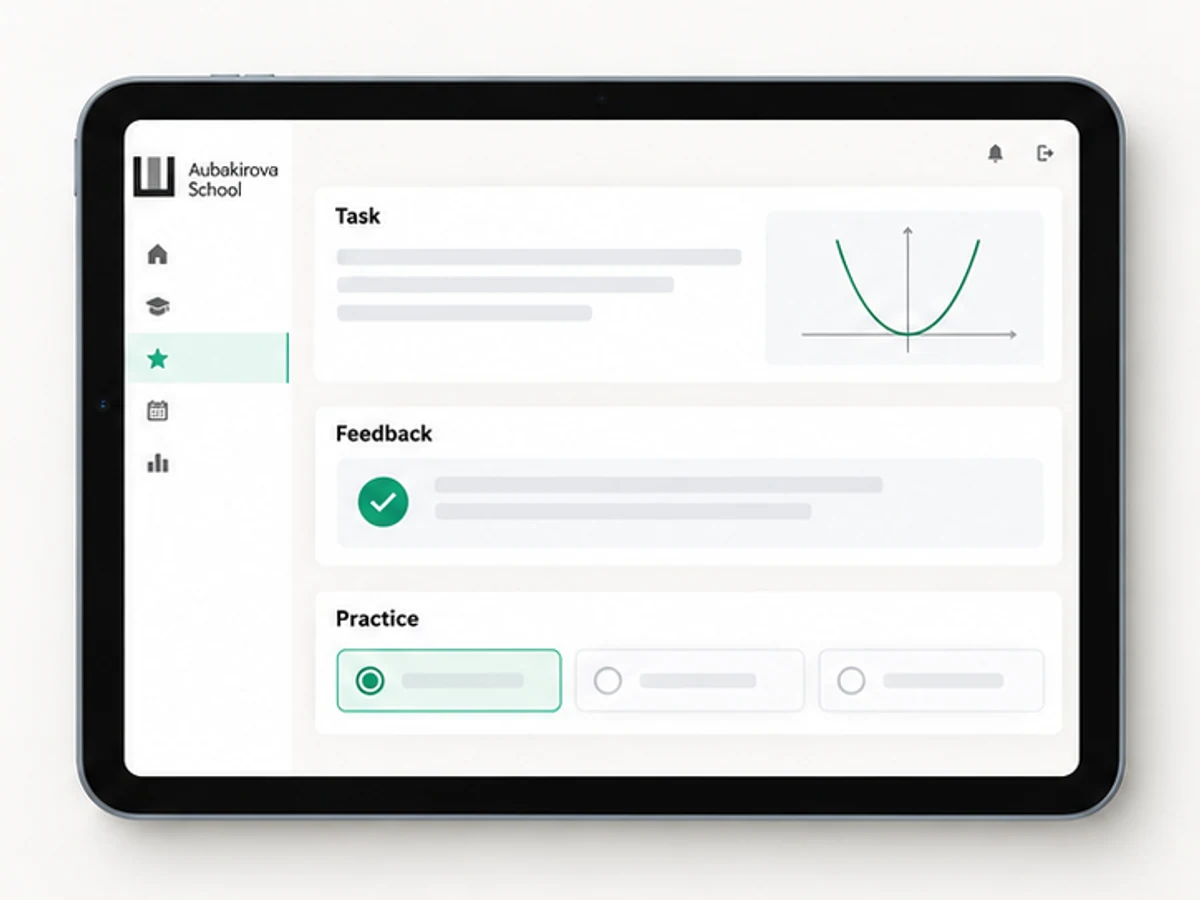
An expert uploads the report and supporting materials. The system analyses the text against a prepared knowledge base and produces comments. The original description identifies archived materials, model reports and specialist documents used for the review.
If a specialist disagrees with a comment, they can leave feedback. The administrator and senior experts consider it and update the knowledge base. This is managed editorial work; feedback alone does not establish automatic model training or continuously improving accuracy.
For long documents, the publication describes splitting processing between two models: analysing the material and preparing a detailed review. That choice reflects the particular project's constraints; it is not a required architecture for every expert assistant.
Where the value lies and how to verify it
The system brings part of the preliminary analysis into one workflow: the document, comments and specialist's response are connected. Experts receive material for subsequent checking and discussion.
AI conclusions and references need verification by the responsible specialist. To assess impact, compare review duration, the proportion of accepted comments and missed errors on an agreed sample. The published case contains no such measurements, so it does not support a savings percentage or a guarantee of legally correct reasoning.
If experienced staff in your organisation regularly review complex documents, start with one document type and a set of errors that can be checked. Sailet can help define the assistant's boundaries, the knowledge base and acceptance criteria together with the experts.